Petra's High Blood Pressure Battle: Why She Fears Hospital Admission
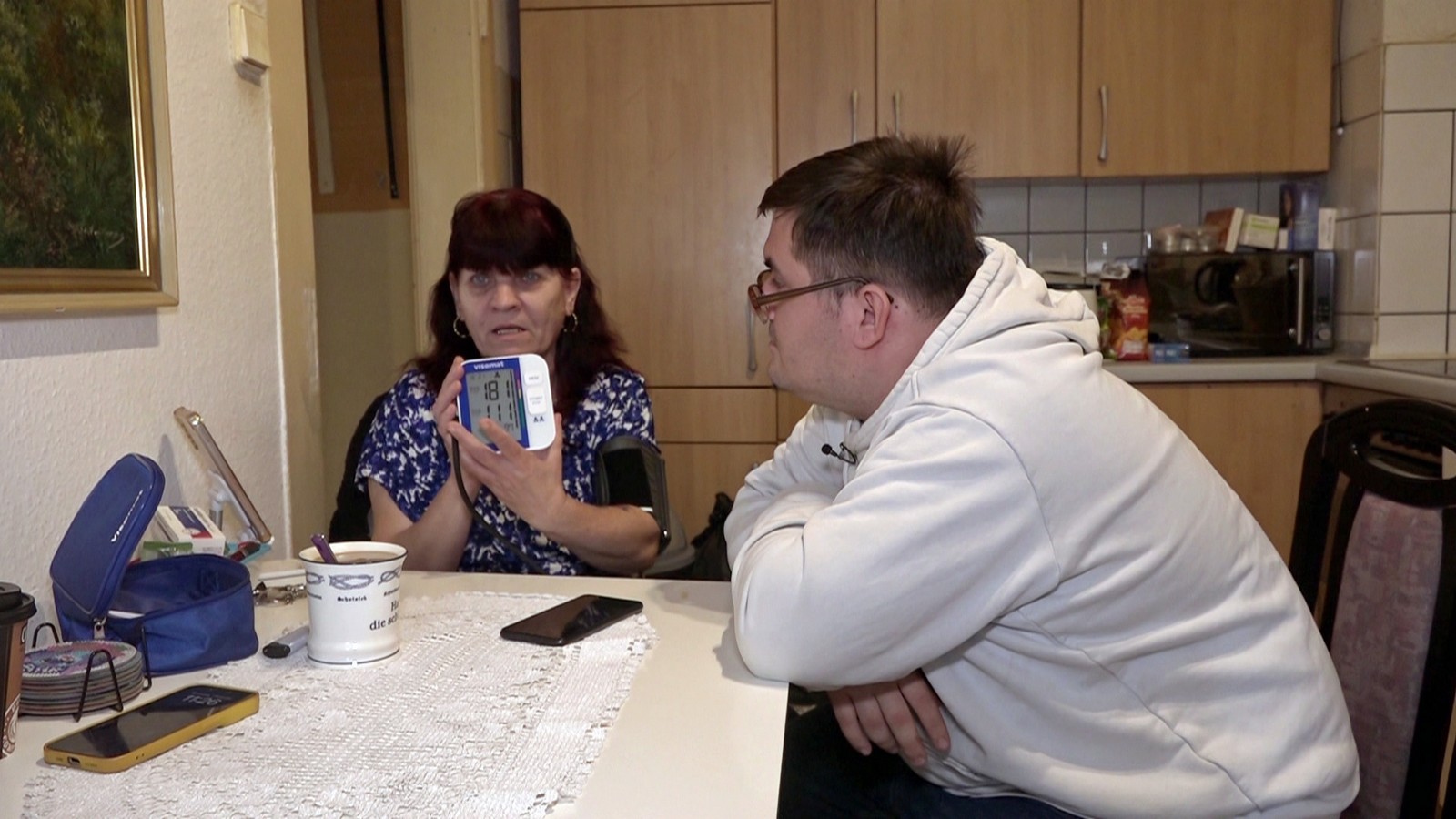
The spotlight of "Hartz und herzlich" often illuminates the raw realities of life in the Benz-Baracken, showcasing the daily struggles and fleeting triumphs of its residents. Recently, one familiar face, Petra, has captured the attention of viewers with a deeply personal and alarming health crisis. After years of unemployment, Petra had finally secured a new job, a beacon of hope for stability. However, this fragile sense of security has been shattered by a severe battle with high blood pressure, leading to an intense and debilitating fear of death �� a stark reality for Petra Hartz Und Herzlich as she grapples with the specter of serious illness and potential hospital admission. Her terrifying anxiety not only jeopardizes her fresh start but also sheds light on the profound psychological toll that chronic health conditions can inflict.
The Silent Threat: Petra's Struggle with Uncontrolled Hypertension
Petra's recent foray into the working world as a cleaning assistant was meant to be a turning point. Instead, it quickly transformed into a health emergency. Diagnosed with dangerously high blood pressure, Petra finds herself in a precarious situation, forced to take an immediate leave from her strenuous new role. Her physical symptoms are concerning, but it's the accompanying mental anguish that truly dominates her experience. "I'm genuinely afraid to fall asleep at night and not wake up again!" she confessed on "Hartz und herzlich." This raw declaration underscores the severity of her internal battle, painting a vivid picture of the fear that now consumes her waking and sleeping hours.
Her doctor's assessment has only amplified these fears. The very real risks associated with uncontrolled hypertension – stroke and heart attack – hang heavy over Petra. These are not abstract concepts but tangible threats that fuel her "Todesangst" (fear of death). While high blood pressure, or hypertension, is a common condition affecting millions globally, its designation as a "silent killer" is chillingly accurate. Often, there are no obvious symptoms until severe damage has occurred, making Petra's sudden, acute awareness of her condition all the more frightening. The need for medication adjustment and close medical monitoring is paramount, yet for Petra, the path to recovery is paved with overwhelming anxiety.
Beyond the Physical: The Psychological Burden of Health Anxiety and Hospital Phobia
Petra's candid admission of her death anxiety reveals a deeper layer to her health crisis, one that extends beyond mere physical symptoms. Her panic is so profound that she believes hospital admission is inevitable and necessary – "Then he has to admit me to the hospital!" While medical intervention is clearly required, her desperate plea suggests a complex interplay of fear, uncertainty, and possibly a sense of losing control. This intense anxiety about her health, often termed 'health anxiety' or 'hypochondria,' can be incredibly debilitating, leading individuals to interpret normal bodily sensations as signs of severe illness or to fixate on worst-case scenarios.
Moreover, the prospect of hospitalization itself can be a source of significant fear, a condition sometimes referred to as nosocomephobia. For someone like Petra, who has spent years navigating the complexities of social welfare and seeking stability, the idea of being confined in an unfamiliar medical environment, away from her routines and support systems, could feel like an ultimate loss of autonomy. This fear can be compounded by past negative experiences, a lack of understanding about medical procedures, or simply the overwhelming sense of vulnerability that comes with being seriously ill. Her emotional state, characterized by constant unease and a feeling of being unwell ("I don't feel well every day"), is not merely a consequence of her physical condition but a significant factor impacting her ability to cope and recover. The mental strain of her unemployment history, coupled with the immense pressure to succeed in her new job, likely contributed to a heightened stress response, potentially exacerbating her blood pressure and fueling her health anxiety.
Navigating the Crisis: Job Loss, Recovery, and the Road Ahead
The immediate fallout from Petra's health crisis has been severe. Her new job, a hard-won victory after years of receiving Bürgergeld (citizen's benefit), has been abruptly interrupted. She's been sick-listed, anticipating a lengthy absence, and the specter of job loss looms large. Tragically, Petra isn't alone in this predicament. Her son, Pascal, also faced health issues, requiring wisdom tooth removal that prevented him from continuing his job as a food bike courier. Adding insult to injury, Pascal suspects his subsequent dismissal wasn't solely due to his absence but potentially fueled by malicious "Hater" comments directed at his employer. This double blow underscores the fragile existence faced by many within the "Hartz und herzlich" community, where a single health setback can unravel carefully constructed plans.
While Pascal, undeterred, is already planning his next venture, Petra's focus remains squarely on her health. She intends to prioritize a full recovery before embarking on another job search, hoping that renewed stability will eventually allow her to find a larger apartment. This period of forced rest and medical adjustment is critical, but it also means further financial uncertainty and a prolonged delay in achieving her goals. Her journey highlights the brutal reality that for those already on the fringes, health crises can be particularly devastating, creating a cyclical pattern of illness, unemployment, and financial precarity.
Practical Strategies for Managing High Blood Pressure and Health Anxiety
Petra's experience, while deeply personal, resonates with many who face similar health challenges. Uncontrolled high blood pressure is a serious condition, but it is manageable. Moreover, the anxiety it generates can also be addressed. Here are some practical steps and insights:
- Understand Your Condition: Knowledge is power. Learn about hypertension – what it is, why it's dangerous, and how your prescribed medications work. Understanding reduces fear of the unknown.
- Adhere to Medical Advice: Consistently take prescribed medications and attend all follow-up appointments. If you feel unwell or believe your medication needs adjustment, communicate this openly with your doctor. Never adjust dosages without medical guidance.
- Lifestyle Modifications:
- Diet: Adopt a DASH (Dietary Approaches to Stop Hypertension) diet, focusing on fruits, vegetables, whole grains, lean protein, and low-fat dairy, while reducing sodium, saturated fats, and processed foods.
- Exercise: Aim for at least 150 minutes of moderate-intensity aerobic activity per week (e.g., brisk walking, cycling).
- Stress Management: Techniques like mindfulness, meditation, deep breathing exercises, yoga, or hobbies can significantly lower stress levels, which in turn can help manage blood pressure.
- Limit Alcohol & Quit Smoking: Both can dramatically impact blood pressure and overall cardiovascular health.
- Monitor at Home: Regular home blood pressure monitoring can provide valuable data for your doctor and help you feel more in control. Discuss proper technique and target ranges with your healthcare provider.
- Address Health Anxiety:
- Talk to a Therapist: Cognitive Behavioral Therapy (CBT) is highly effective for health anxiety. It helps challenge irrational fears and develop coping mechanisms.
- Mindfulness and Relaxation: These practices can help you stay present and reduce catastrophic thinking.
- Educate Yourself (Wisely): While understanding is good, avoid excessive "Dr. Google" searches, which can often fuel anxiety rather than alleviate it.
- Communicate with Your Doctor: Be honest about your fears and anxieties. They can reassure you, explain things in detail, and even refer you to mental health professionals.
- Prepare for Hospitalization (If Necessary): If admission is likely, discuss the process with your doctor. Understanding what to expect can reduce fear. Having a trusted friend or family member advocate for you can also be incredibly helpful.
Petra's story serves as a poignant reminder that health is holistic. The physical and mental aspects are inextricably linked, and addressing both is crucial for recovery. You can learn more about her challenging journey and the broader implications in related articles like New Job, Old Fears: Hartz und herzlich Petra's Health Crisis Halts Return.
Conclusion
Petra from "Hartz und herzlich" finds herself at a critical juncture, battling not just high blood pressure but also the profound psychological burden of "Todesangst." Her courage in sharing such a vulnerable struggle highlights the real-world impact of chronic illness, especially for those navigating precarious socio-economic circumstances. As she faces the daunting prospect of job loss and potential hospital admission, her journey underscores the vital importance of comprehensive healthcare that addresses both the body and the mind. Her story is a powerful testament to the resilience of the human spirit, but also a stark reminder of how fragile life can be, and how essential it is to seek help and support when health crises arise.